White Oak, Walnut and Maple for Custom Cabinets
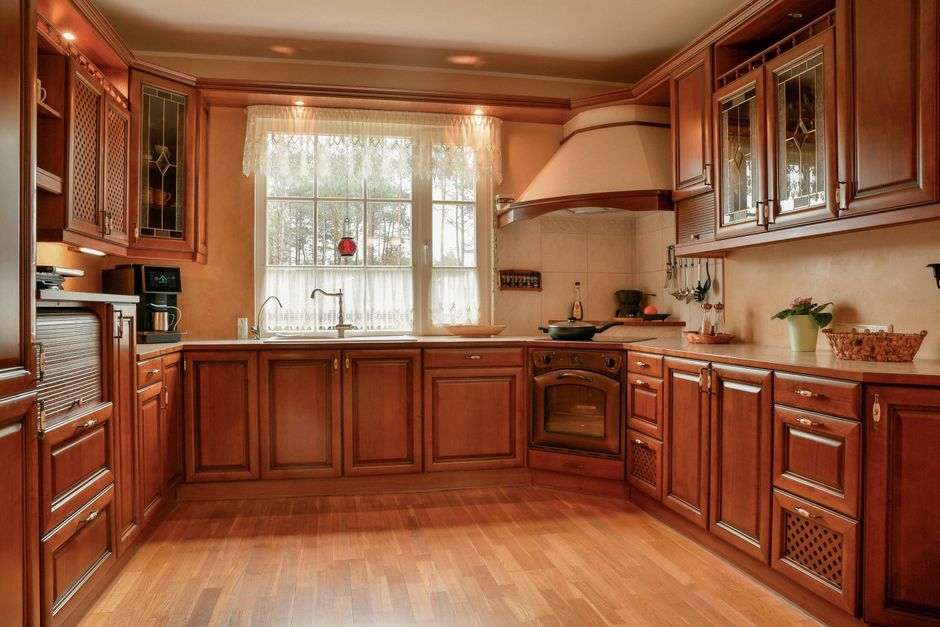
A species is chosen by how it moves, not only by how it looks. The running record custom cabinets austin tx sourire espoir holds shows white oak, walnut and maple turning up again and again in Austin, TX, and each one behaves differently once it is built into a custom cabinet door or a face frame. The grain and color a sample board shows in a shop will change after a few seasons in a real house.
White oak
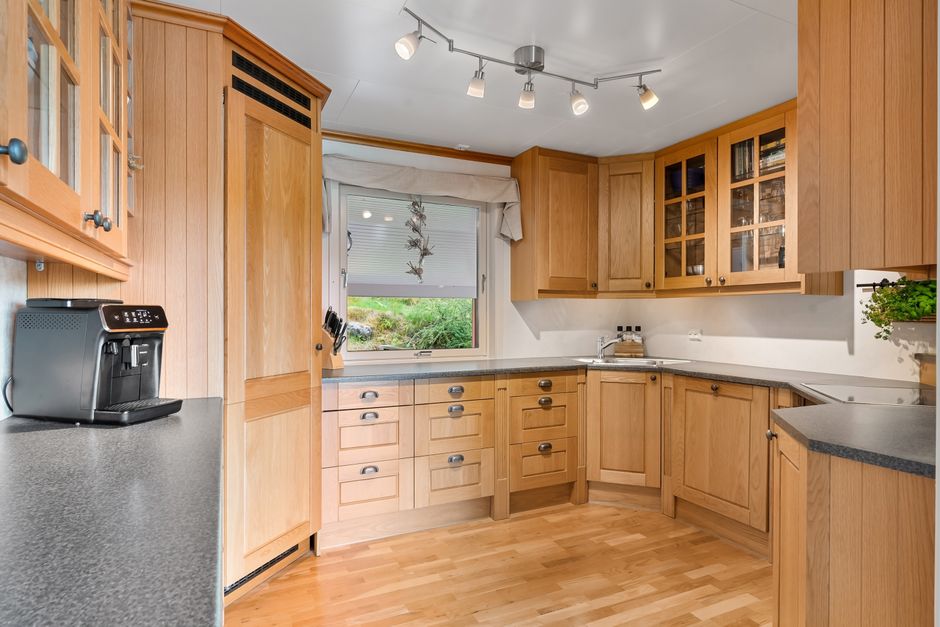
White oak has an open grain with strong ray fleck when it is cut quartersawn, and a straighter, plainer pattern when it is cut flat. It is hard and stable, which suits a face frame and a door that has to stay flat, and it takes a stain evenly because the pores hold color. Humid stretches near Lady Bird Lake and the Colorado River do not trouble it much, as the dense grain resists swelling better than many softer woods.
Walnut
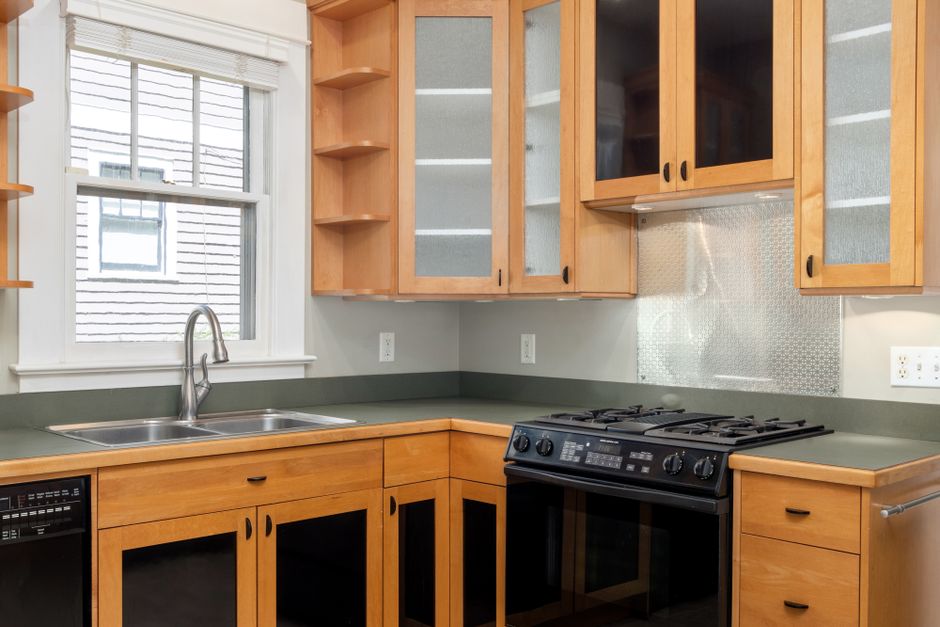
Walnut is darker and softer than oak, with a smooth grain that takes a clear finish well. Its color shifts under light, with the brown lightening a shade over time in a sunny kitchen, so a door should be compared with a piece from the same board. Walnut is often used for the doors and drawer fronts of a feature wall or built-in rather than for every cabinet in a room.
Maple
Maple is hard, pale and tight-grained, a common choice for painted cabinets because the smooth surface leaves no grain to telegraph through the paint. Stain on maple can turn blotchy, so a conditioner or a toned lacquer is used when a darker color is wanted. Hard maple makes an excellent dovetail drawer box, since the edges stay crisp.
Movement through hot and damp seasons
An Austin house swings between dry air conditioning in summer and damp weeks in spring, and every species moves with it. A rail and stile door with a floating panel lets each part swell without cracking the finish, while a wide solid slab door in any of the three is more likely to cup. Finishing every face of a door evenly, front, back and edges, slows the change.
Stain versus lacquer
Stain colors the wood and a clear lacquer protects it. Oak and walnut often get a stain and a catalyzed lacquer topcoat, while maple is more often painted or given a light, clear finish. The shop sprays a sample on the exact species so the homeowner sees the real result.
Matching boards and local sourcing
Boards for one run of doors are pulled from the same tree where possible so the grain and color read as one piece. Hardwood lumber moves through mills across the Texas Hill Country and beyond, and a crew will ask the supplier how long a board has dried before it is milled, since lumber that is still wet shrinks after the cabinet is built.